
For many Americans struggling with Complex Regional Pain Syndrome, nerve blocks are often presented as a primary solution. While these injections of anesthetics directly into the spine can temporarily halt pain signals, they are far from a permanent fix. At CRPS-Support, we believe in a different path—one that prioritizes long-term healing over temporary “blocking.”
Our California-based team, led by Nicolò Cladera and Carla Crowe, is here to help you understand why moving toward non-invasive options like Neridronate infusions in Italy is the safest and most effective choice for your recovery.
The Reality of Nerve Blocks and Invasive Procedures
In the U.S., the medical escalator for CRPS often moves quickly from medication to invasive interventions. It is vital to understand the limitations of these methods:
- Temporary Relief: Nerve blocks must be repeated several times because they offer no long-term effect on the underlying disease.
- High Risk and Complexity: More invasive surgeries, such as Spinal Cord Stimulators or Intrathecal Drug Pumps, involve implanting electrodes or devices into the body.
- The “Band-Aid” Effect: These procedures focus on blocking the signal of pain rather than treating the damaged tissue and bone edema that cause the pain in the first place.
- Escalating Needs: As the body grows accustomed to these treatments, the pain often resurfaces, leading to an “inurement” effect where the body requires higher doses or more frequent interventions.
Why Non-Invasive Neridronate Should Be Your First Option
Italy has spent years researching a non-invasive, infusive protocol specifically to avoid the high risks associated with extreme surgical methods.
1. Treating the Root Cause, Not the Signal
Unlike a nerve block that simply “numbs” the area, Neridronate focuses on the bone and surrounding tissue. It works to stop inflammation and regional bone loss, addressing the actual biological triggers of the condition.
2. A One-Time Protocol
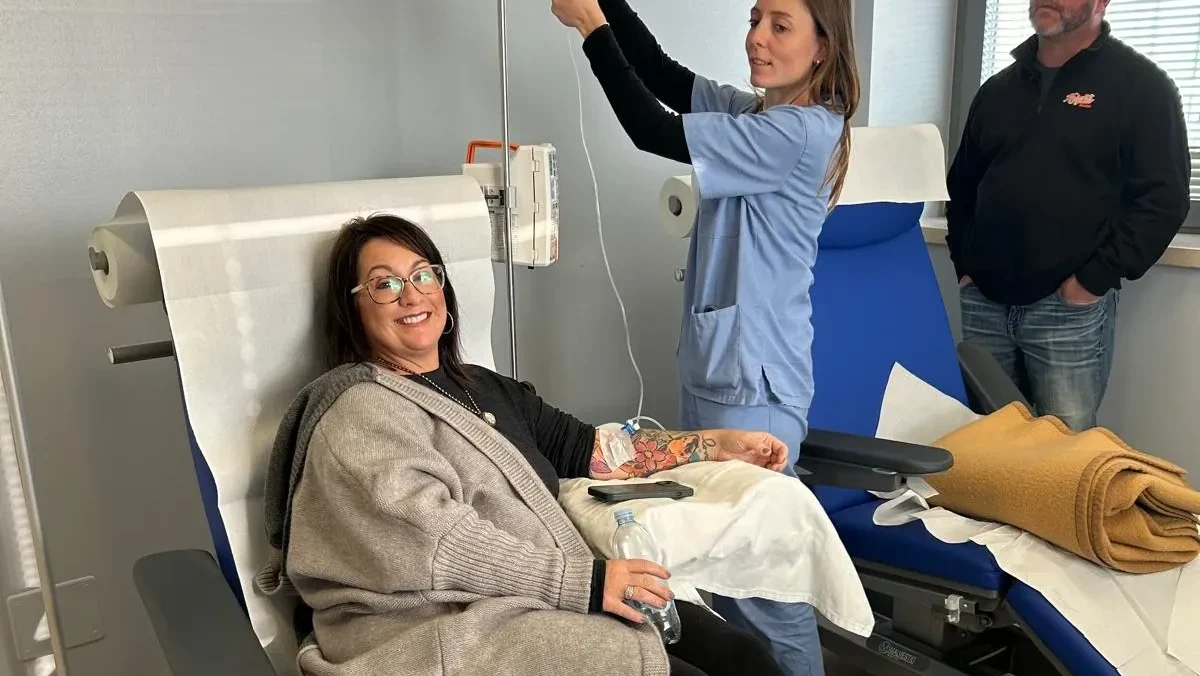
While nerve blocks require repeated hospital visits, Neridronate is a one-time treatment. The protocol consists of just four infusions administered over ten days. These four sessions provide the body with what it needs to begin a six-month journey toward full remission.
3. Safety and Freedom from Addiction
One of the greatest risks of traditional U.S. pain management is the development of chemical dependency. Because Neridronate is not an opioid or a typical anesthetic, it allows patients to break the cycle of escalating painkiller dosages.
Comparison: The Patient Experience
| Feature | Invasive Procedures (Blocks/Pumps) | Neridronate Infusion (Italy) |
| Method | Injections/Surgery | 4 Simple IV Infusions |
| Frequency | Repeated sessions or permanent implants | One-time protocol |
| Duration of Effect | Temporary (days/months) | Lasting/Permanent in most cases |
| Side Effects | Infection, device failure, cognitive issues | Short-term flu-like symptoms |
Join the $360^{\circ}$ Approach to Healing
Choosing a non-invasive path doesn’t mean you are choosing “less” treatment. Our $360^{\circ}$ approach combines Neridronate with neuromuscular re-education, nutritional biology, and biophysical therapy to ensure your entire body is supported throughout the healing process.
We are in California are ready to help you transition from temporary “blocks” to a permanent solution.